
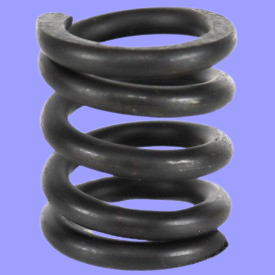
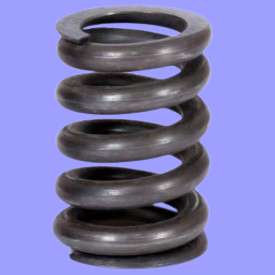
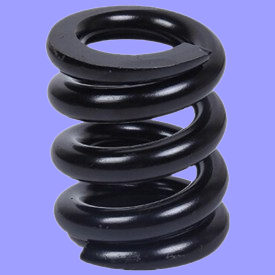
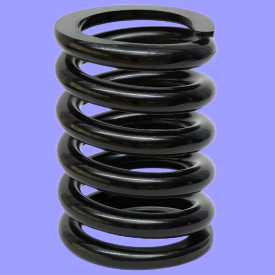
Vibrating Screen Compression Spring manufacturing capacity :
- Wire Dia. : upto 65 mm.
- Outer Dia. : upto 500 mm.
- Free Height : upto 1000 mm.
- Total Coils : As per user’s requirement.
- Load capacity : upto 40 Tons. (per pc.)
Definition of Vibrating Screen Compression Spring :
Vibrating Screen Compression Spring is a vital components in industrial machinery, playing an essential role in ensuring efficient operation of Vibrating Screen. These Springs are designed specifically to withstand high levels of compression and cyclic loading, which are common in various Vibrating Screen applications. Unlike standard Compression Springs, the design of Vibrating Screen Compression Springs are tailored to meet the unique demands of vibratory motion and the rigorous environment of material processing.
Physically, Vibrating Screen Compression Spring is characterized by their coil shape, allowing for significant deflection under load while maintaining structural integrity. They are typically made from high-strength materials such as alloy steel or stainless steel, chosen for their durability and resistance to fatigue. These materials enable the Spring to endure continuous vibration without succumbing to wear, ensuring a prolonged lifespan compared to other types of Springs.
The difference between Vibrating Screen Compression Spring and other standard Spring primarily lies in their dimensions and the materials used. Vibrating Screen Compression Springs are often constructed to be larger and thicker, providing the necessary strength to absorb the shock and energy generated during vibrating operations. Additionally, they may feature enhanced anti-corrosive coatings to protect against deterioration caused by abrasive materials, which are frequently processed through Vibrating Screens.
The function of Vibrating Screen Compression Spring :
Vibrating Screen Compression Spring plays a vital role in the operation of Vibrating Screens, which are essential components in various industrial applications, including mining, construction, and waste recycling. Their primary function is to absorb and mitigate shock and vibration, ensuring that the vibrating screen operates smoothly and efficiently. This is crucial, as excessive shock can lead to mechanical failures or reduced lifespan of the screening equipment.
One of the key functions of Vibrating Screen Compression Spring in a Vibrating Screen is maintaining the necessary tension. The Spring works by exerting a restoring force when compressed, which helps keep the screen cloth taut. This is critical for effective particle separation, as a properly tensioned screen cloth minimizes the likelihood of blinding and clogging, thereby enhancing overall productivity.
Moreover, Vibrating Screen Compression Spring supports the vibration mechanism of the screen. They allow for controlled oscillation, ensuring that the desired amplitude and frequency are achieved during operation. The Spring facilitates this vibration by absorbing energy and returning it during the screening process, effectively enabling the separation of materials according to size and weight.
Importance of Vibrating Screen Compression Spring :
Vibrating Screen Compression Spring plays a pivotal role in industrial applications, particularly in the functioning of Vibrating Screen. These components are crucial for ensuring that the screens operate efficiently and effectively. By absorbing and dissipating energy during the operational cycles, this Spring helps to minimize vibrations and mechanical stress, which can lead to wear and tear over time. The long-term effectiveness of Vibrating Screens significantly relies on the quality and resilience of these Springs.
One of the primary functions of Vibrating Screen Compression Spring in vibrating screens is to enhance the life expectancy of the machinery. As these Springs support the screen, they enable it to maintain its structural integrity under varied load conditions. This support helps to prevent premature failure and ensures that the screens continue to perform their tasks of separating and sorting materials without interruption.
The contribution of Vibrating Screen Compression Spring to improved operational efficiency cannot be understated. By facilitating optimal movement and reducing excessive vibrations, these Springs directly influence the performance of the Vibrating Screens. A well-functioning Spring system promotes higher throughput rates, better material separation, and lower energy consumption. Consequently, industries benefit from enhanced productivity and reduced operational costs.
Common uses of Vibrating Screen Compression Spring :
Vibrating Screen Compression Springs are critical components utilized across various industries, offering essential support and functionality in numerous applications. Their primary role is to ensure efficient operation of vibrating screens, which are widely employed for material separation and classification. Below, we explore some key sectors where these Springs are commonly found.
In the mining industry, Vibrating Screen Compression Springs play a vital role in the processing and sorting of minerals. These Springs help sustain the vibrations needed to separate materials effectively, allowing for the efficient handling of diverse ores. The durability and resilience of these Springs are crucial as they are subjected to heavy loads and harsh environmental conditions.
Another significant application is within the agricultural sector, where Vibrating Screens, enhanced by Vibrating Screen Compression Springs, are used for seed cleaning and grading. Farmers and companies rely on these Springs to maintain the optimal performance of their equipment, thereby ensuring high-quality seed output. The ability of springs to handle varying material weights showcases their versatility in agricultural machinery.
The necessity of Vibrating Screen Compression Spring :
Vibrating Screen Compression Spring plays a vital role in ensuring the operational efficiency and reliability of Vibrating Screens. These Springs provide the necessary tension that allows the screen to vibrate, effectively separating and classifying materials based on size, weight, and other characteristics. Without the proper integration of Compression Springs, the functioning of Vibrating Screens can be severely compromised, leading to a range of potential failures and inefficiencies.
One of the primary functions of Vibrating Screen Compression Spring in vibrating screens is to absorb and dissipate the dynamic energy produced during operation. This energy absorption is crucial, as it prevents the transfer of excessive forces to other components of the machine, which can lead to premature wear or damage. Additionally, this Spring helps maintain the correct tension and alignment of the screen mesh, which is essential for optimal material handling.
In the absence of Vibrating Screen Compression Spring, screens may face issues such as excessive vibration, reduced separation accuracy, and increased likelihood of mechanical failure. These problems can significantly impede productivity, as the screens may not effectively sort materials, resulting in decreased operational efficiency. Furthermore, without the elastic support provided by these Springs, screens can suffer from structural stress, which can result in costly repairs and down times.
Factors to consider when choosing Vibrating Screen Compression Spring :
When selecting Vibrating Screen Compression Spring for Vibrating Screens, several key factors must be carefully evaluated to ensure optimal performance and longevity. The first consideration is the load capacity of the Spring. It is essential to determine the specific load that the Spring will need to support during operation. This involves understanding the maximum weight and any dynamic forces that may occur throughout the vibrating process. Overloading a Spring can lead to premature failure, while under-specifying can result in inadequate performance.
Next, the material of the Vibrating Screen Compression Spring plays a crucial role. Common materials include stainless steel, carbon steel, and specialized alloys, each offering distinct properties regarding strength, flexibility, and resistance to environmental factors. For instance, stainless steel Springs are often favored in applications where corrosion resistance is paramount. Furthermore, the choice of material impacts the Spring’s fatigue limit, stiffness, and overall durability, which are critical for maintaining efficiency in vibrating screen operations.
The dimensions of the Vibrating Screen Compression Spring, including its diameter, wire thickness, and free length, are other important parameters to consider. These dimensions must be compatible with the Vibrating Screen’s design to ensure a proper fit and function. Ensuring that the Spring can accommodate the motion of the screen is essential in maintaining stability and performance during operation.